01
Inquiry
Buyer shares grade, quantity, destination, shipment timing, documentation needs, and sample expectations.
Loading Mwanyi Terimba…
Export process
A simple buyer pathway from first inquiry to samples, quality approval, contract discussion, processing, and shipment.
Buyer pathway
This process helps importers, roasters, distributors, and institutional buyers understand what to prepare before requesting supply.
01
Buyer shares grade, quantity, destination, shipment timing, documentation needs, and sample expectations.
02
The export desk discusses available lots, product sheets, sample handling, and buyer approval needs.
03
Grade, cup, moisture, defect expectations, packaging, and certification requirements are aligned.
04
Commercial terms, volume, shipment plan, payment path, and documentation scope are confirmed.
05
Coffee is prepared around agreed quality, packaging, traceability, and shipment requirements.
06
Export coordination supports handoff, documents, and buyer communication through delivery.
Prepare your inquiry
Coffee grade, destination country, expected volume, shipment window, certification requirements, sample needs, and company details.
Export in action
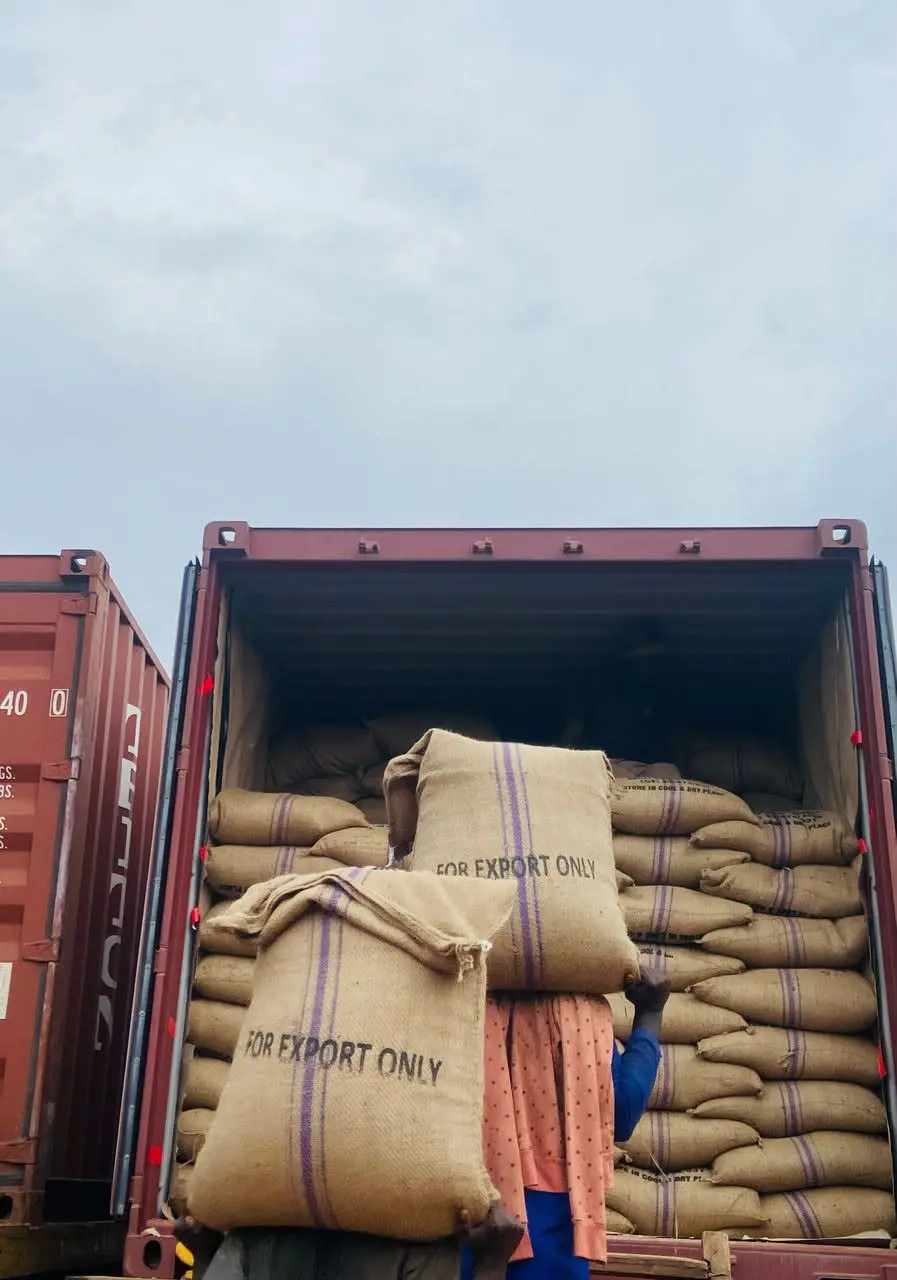
Warehouse organization and careful container loading turn aggregated coffee into export-ready supply for buyers.
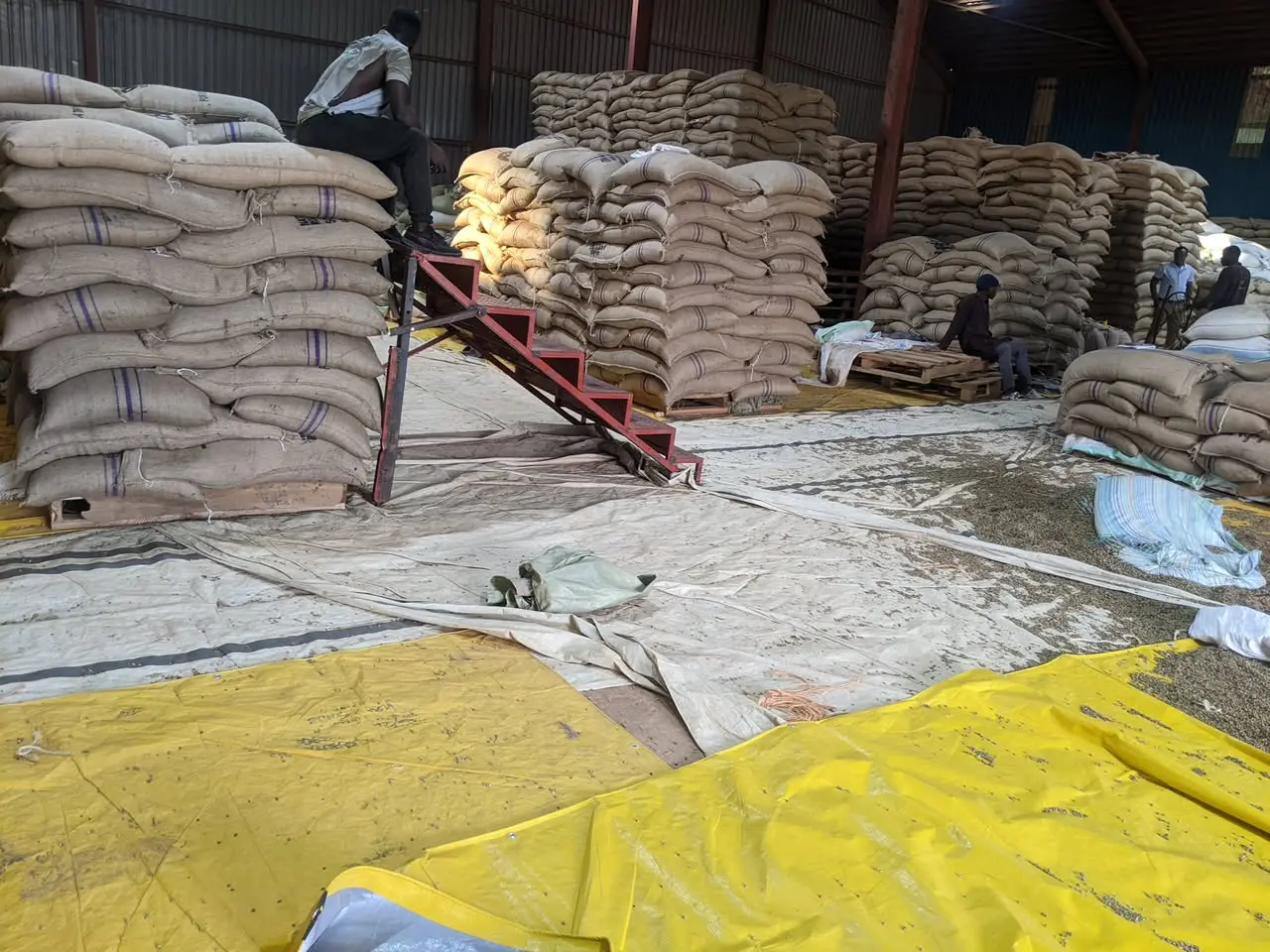
Bagged coffee is organized in the warehouse before preparation and dispatch.
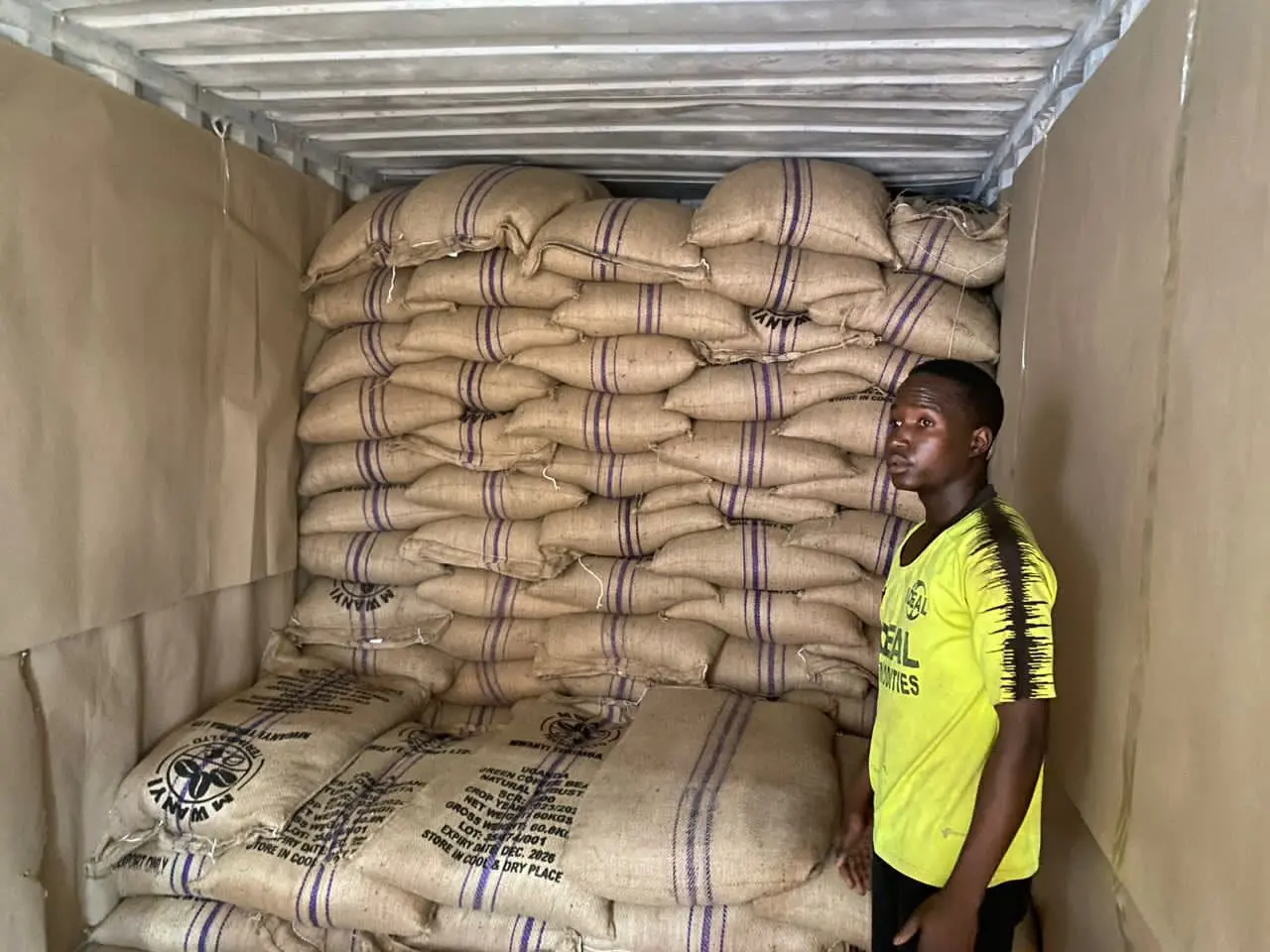
Coffee bags are stacked securely inside a shipping container for export.
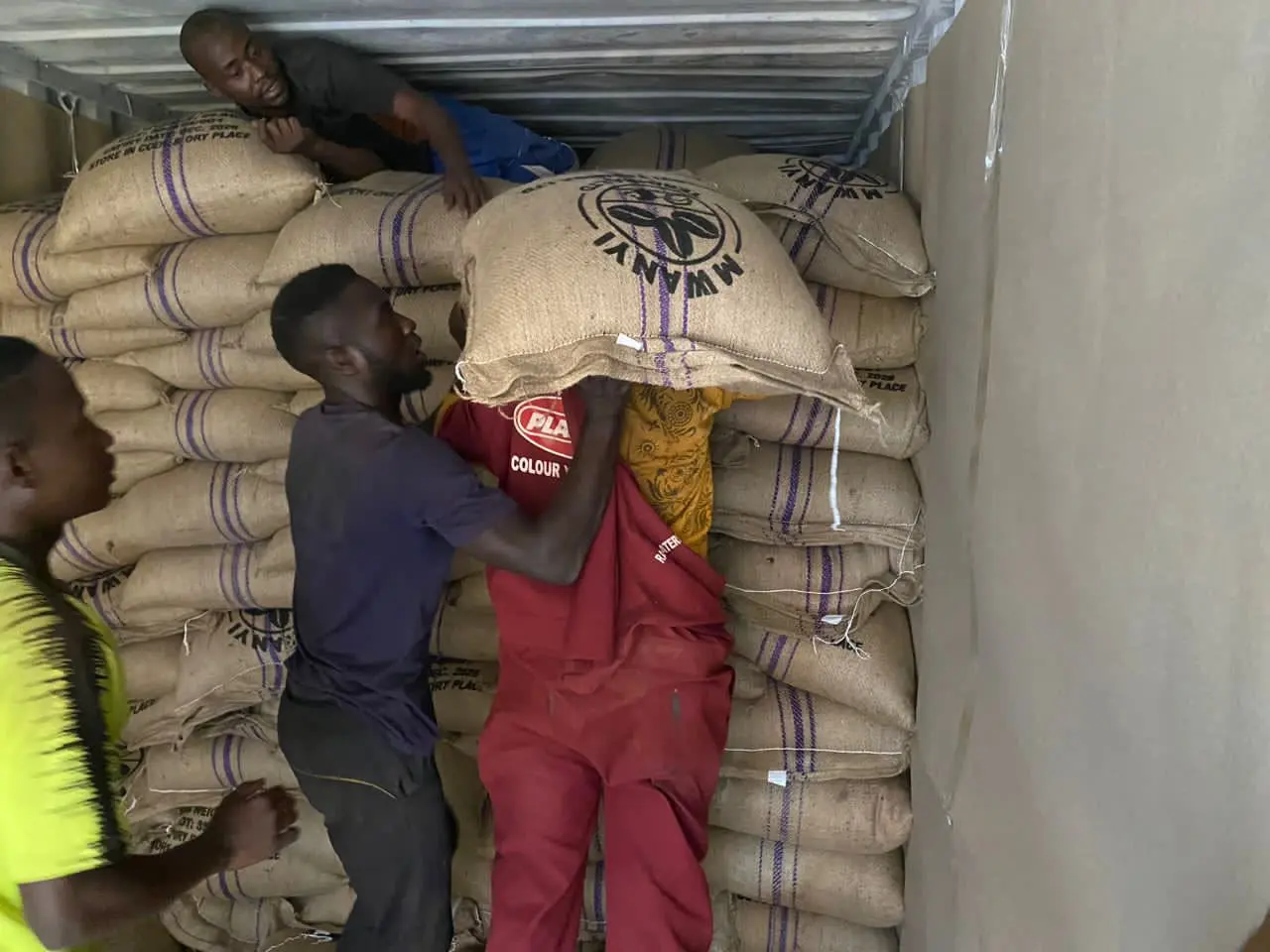
The operations team loads bagged coffee carefully for onward delivery.
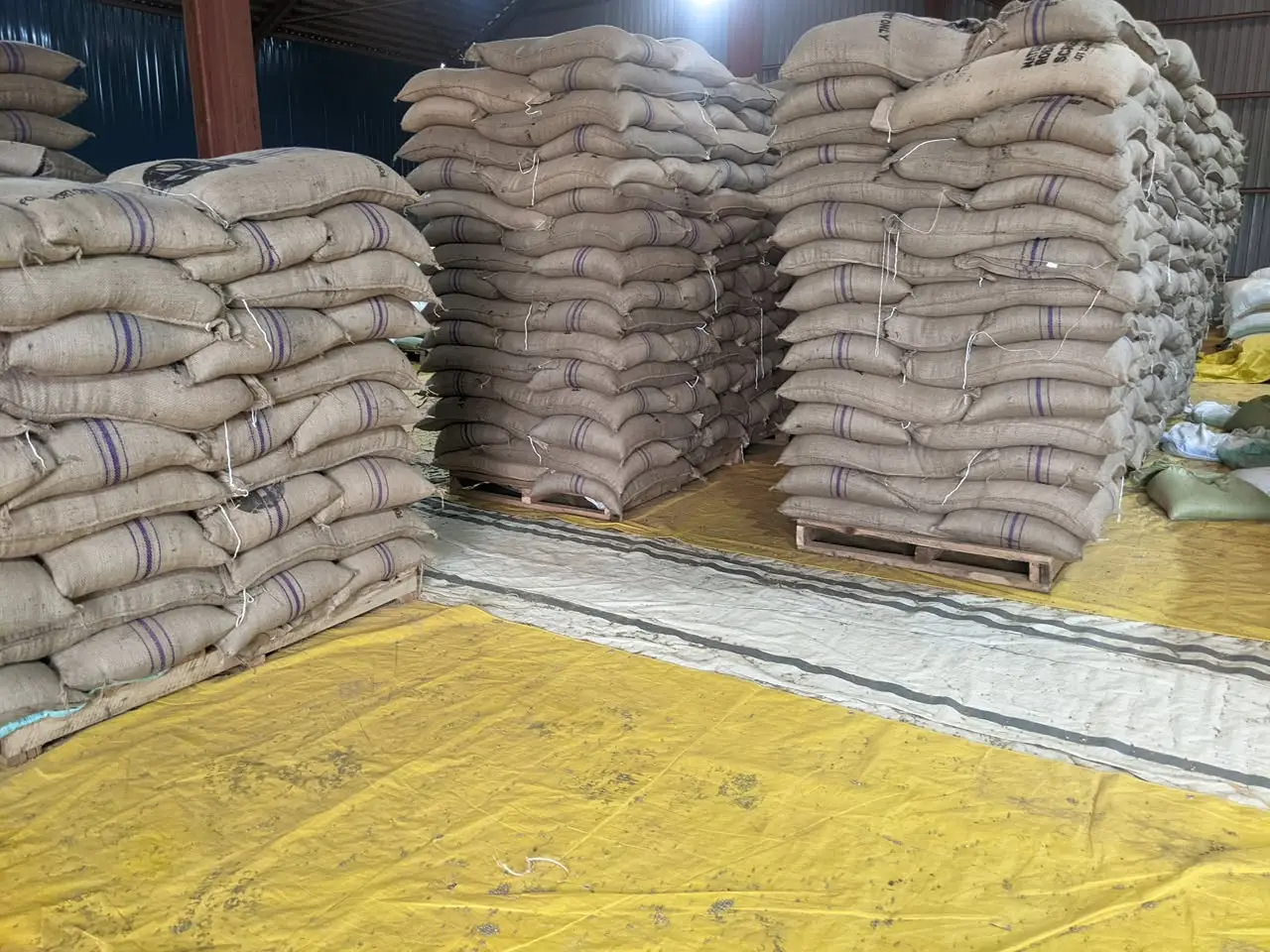
Organized stacks support stock control, lot handling, and dispatch planning.
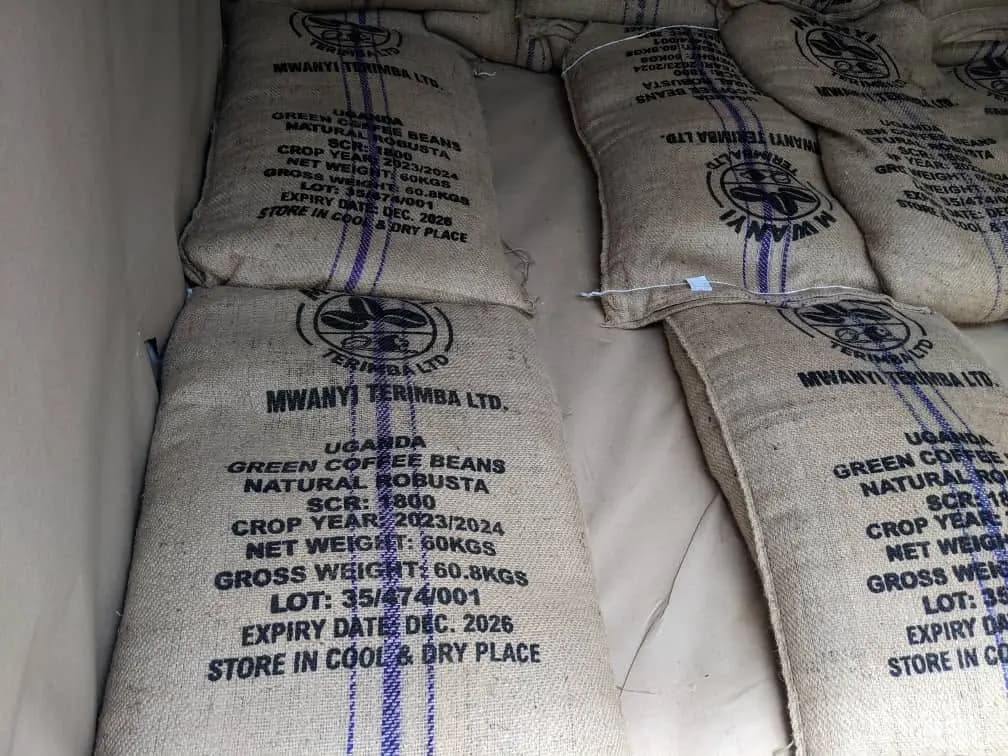
Bag markings keep origin and product details visible during export handling.
A container is filled methodically as coffee moves from warehouse to market.
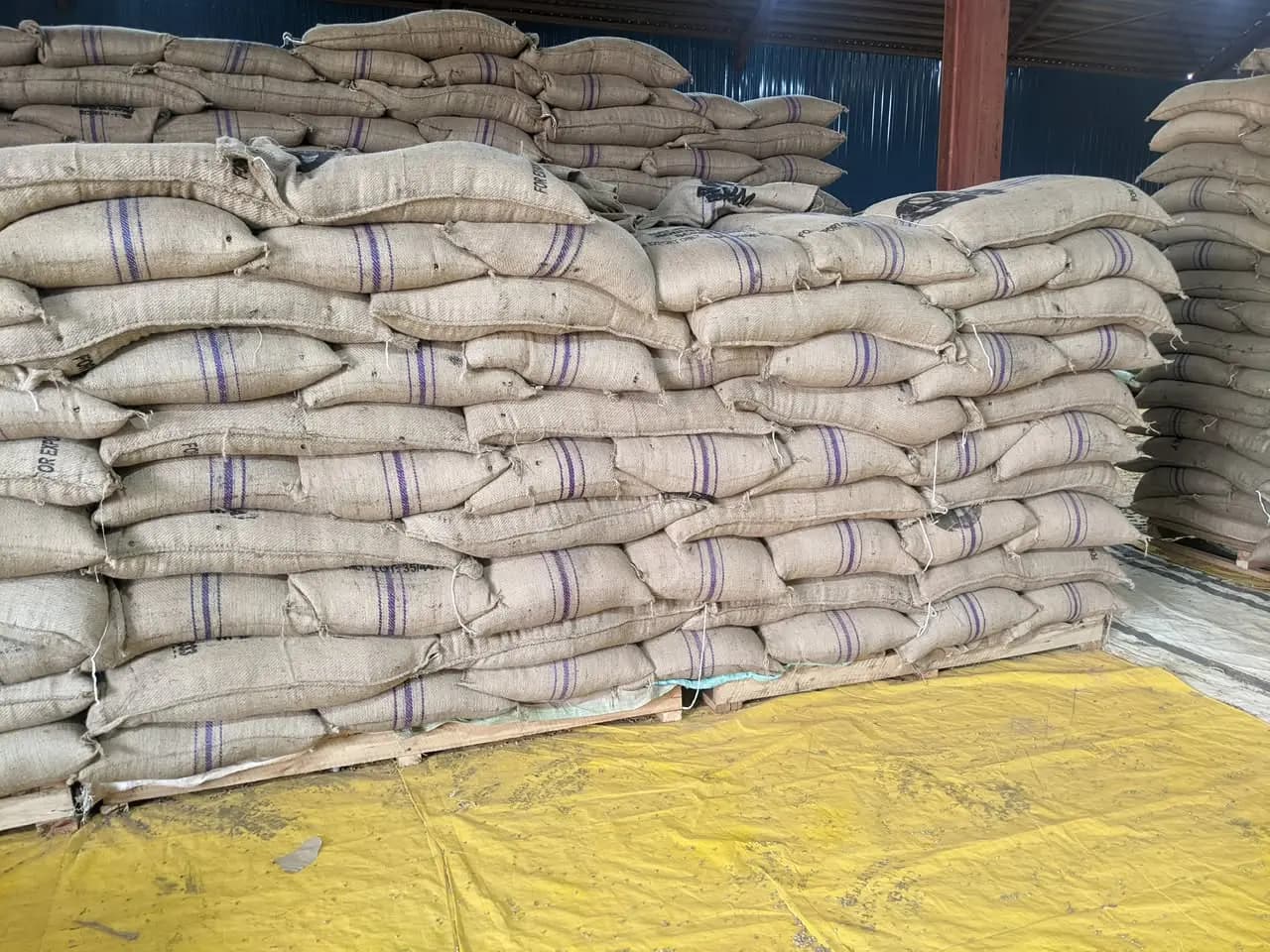
Warehouse inventory reflects aggregation from the wider farmer network.
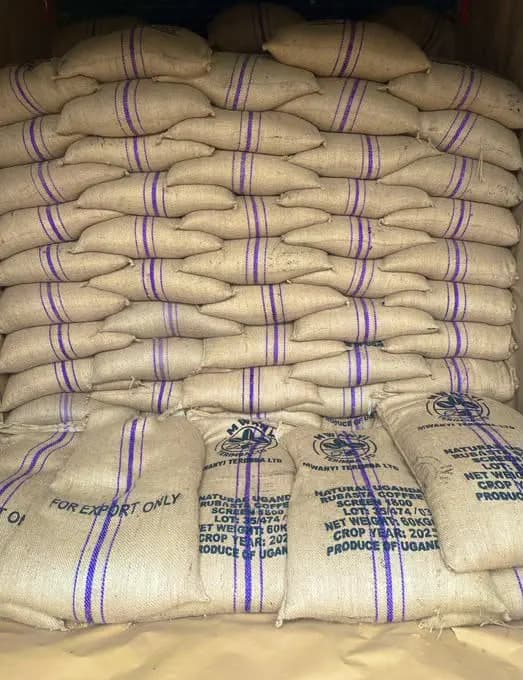
Visible bag labels support accurate lot identification and buyer documentation.
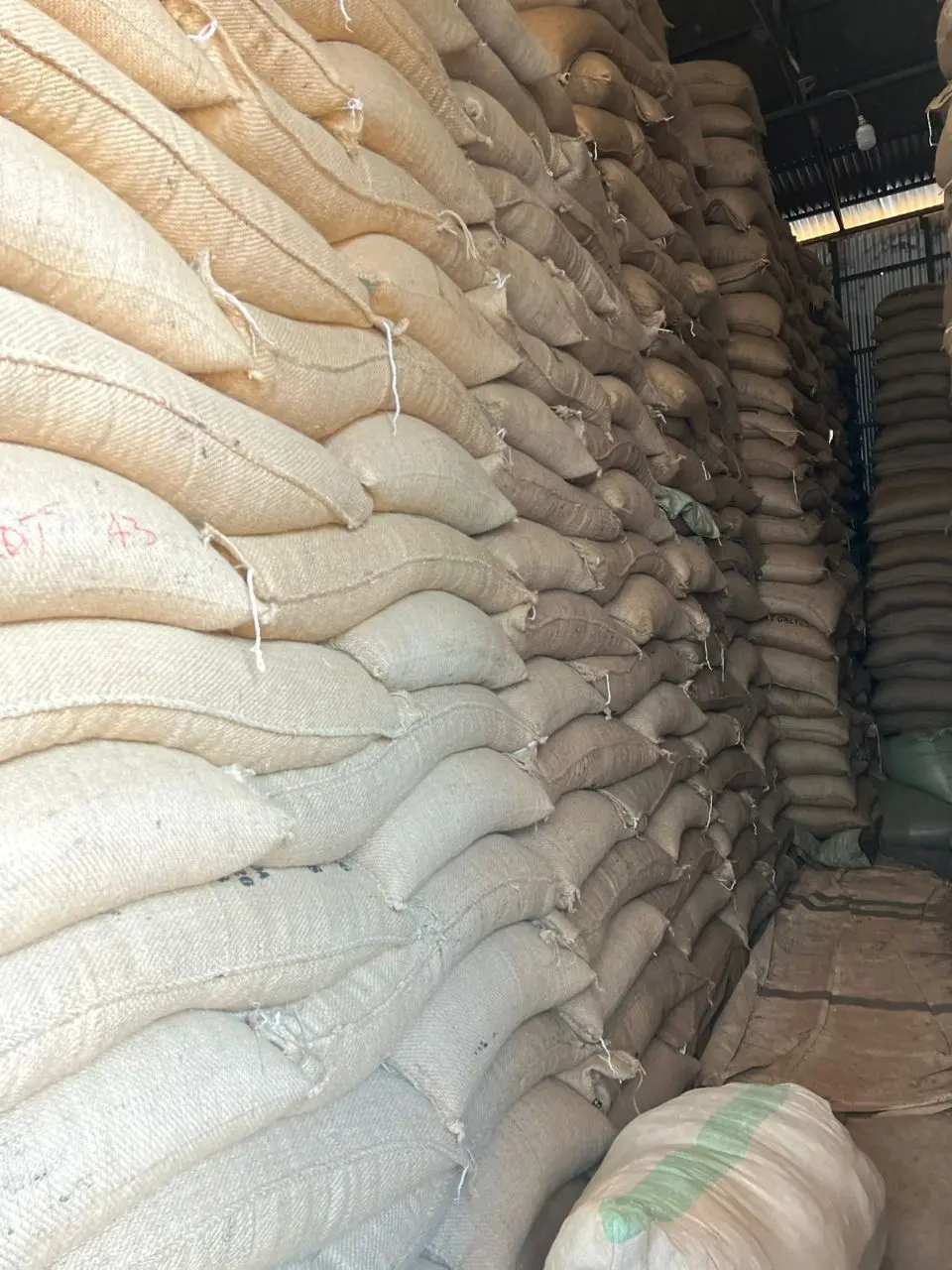
Bagged coffee is stacked under cover while awaiting its next movement.
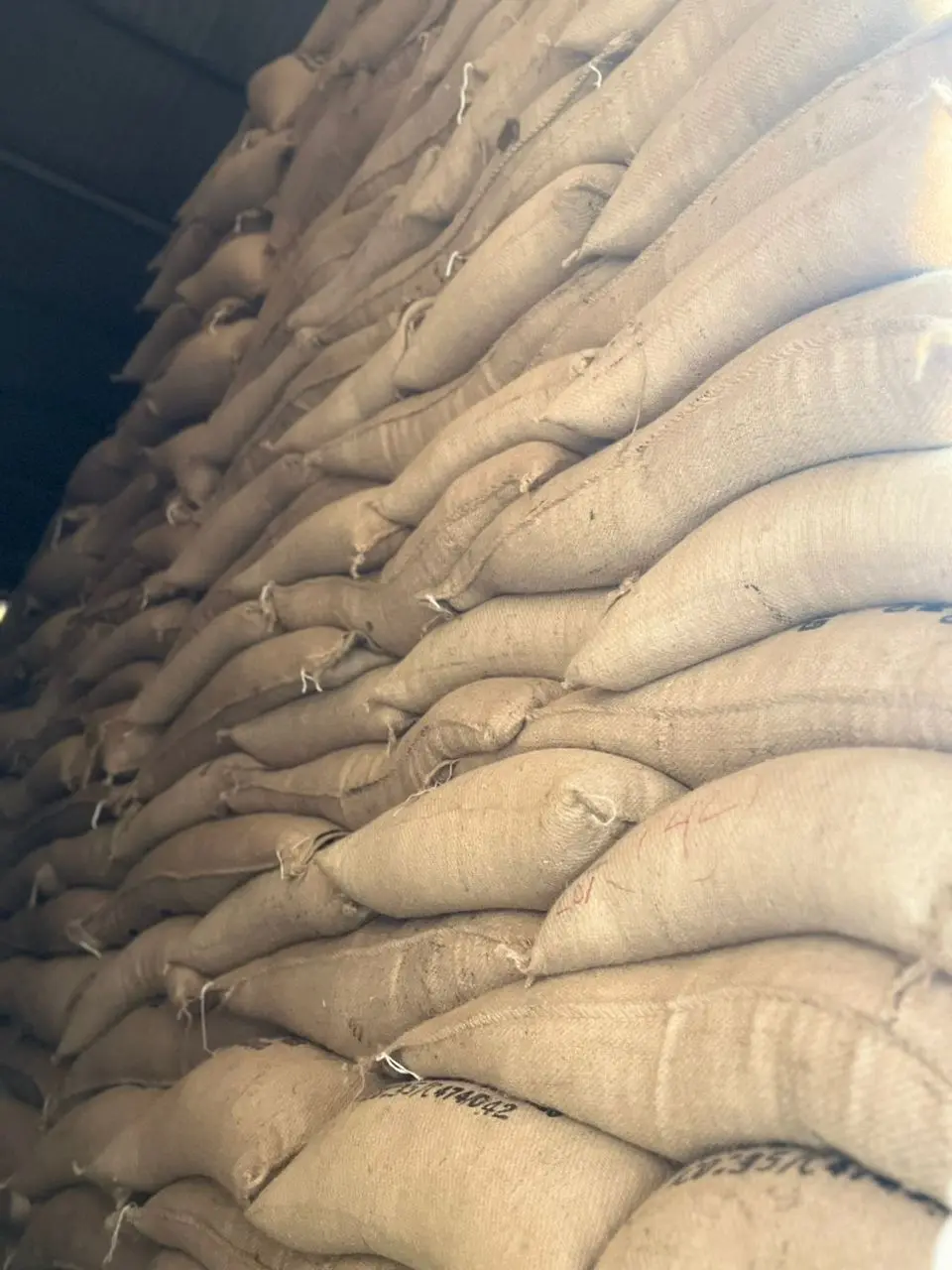
Packed bags show the scale of coffee assembled for commercial supply.