Cupping
Coffee lots can be discussed against buyer cup expectations, grade targets, and intended use.
Loading Mwanyi Terimba…
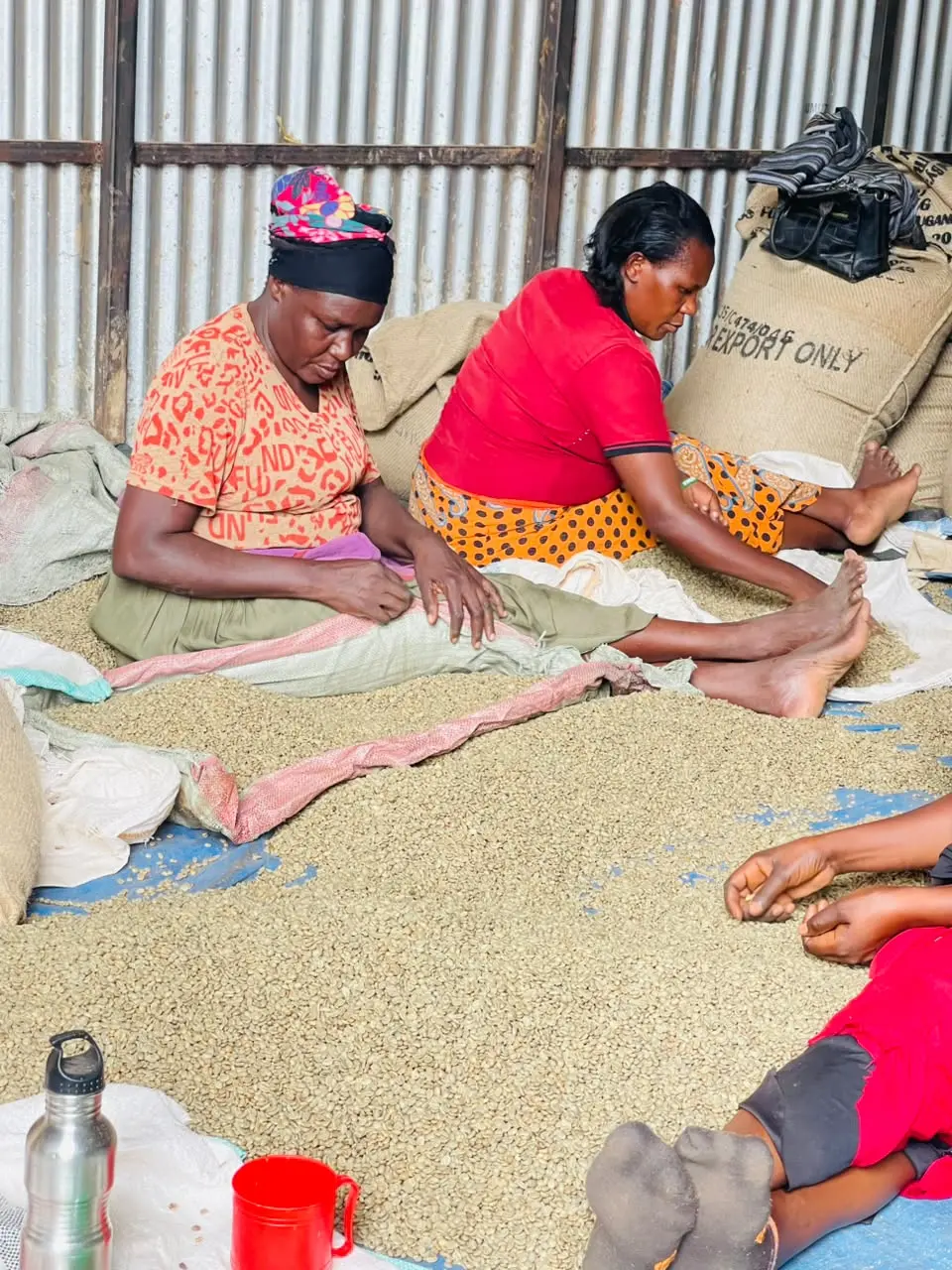
Quality control
A practical view of the quality checks, handling expectations, and buyer conversations behind green coffee supply.
Coffee lots can be discussed against buyer cup expectations, grade targets, and intended use.
Moisture control protects quality, storage stability, and export readiness.
Defect review supports commercial grade clarity and buyer specification alignment.
Sorting and preparation help protect value before packaging and shipment.
Packaging conversations are aligned with lot size, destination, and buyer requirements.
Storage and handling practices support consistency before export handoff.
Quality checkpoints
Importers, roasters, and distributors can use the inquiry process to share grade, cup, defect tolerance, packaging, certification, and delivery expectations before samples or contracts move forward.
Buyer specification review
Sample preparation
Moisture and defect checks
Cupping and approval conversation
Lot preparation and packaging
Pre-shipment documentation
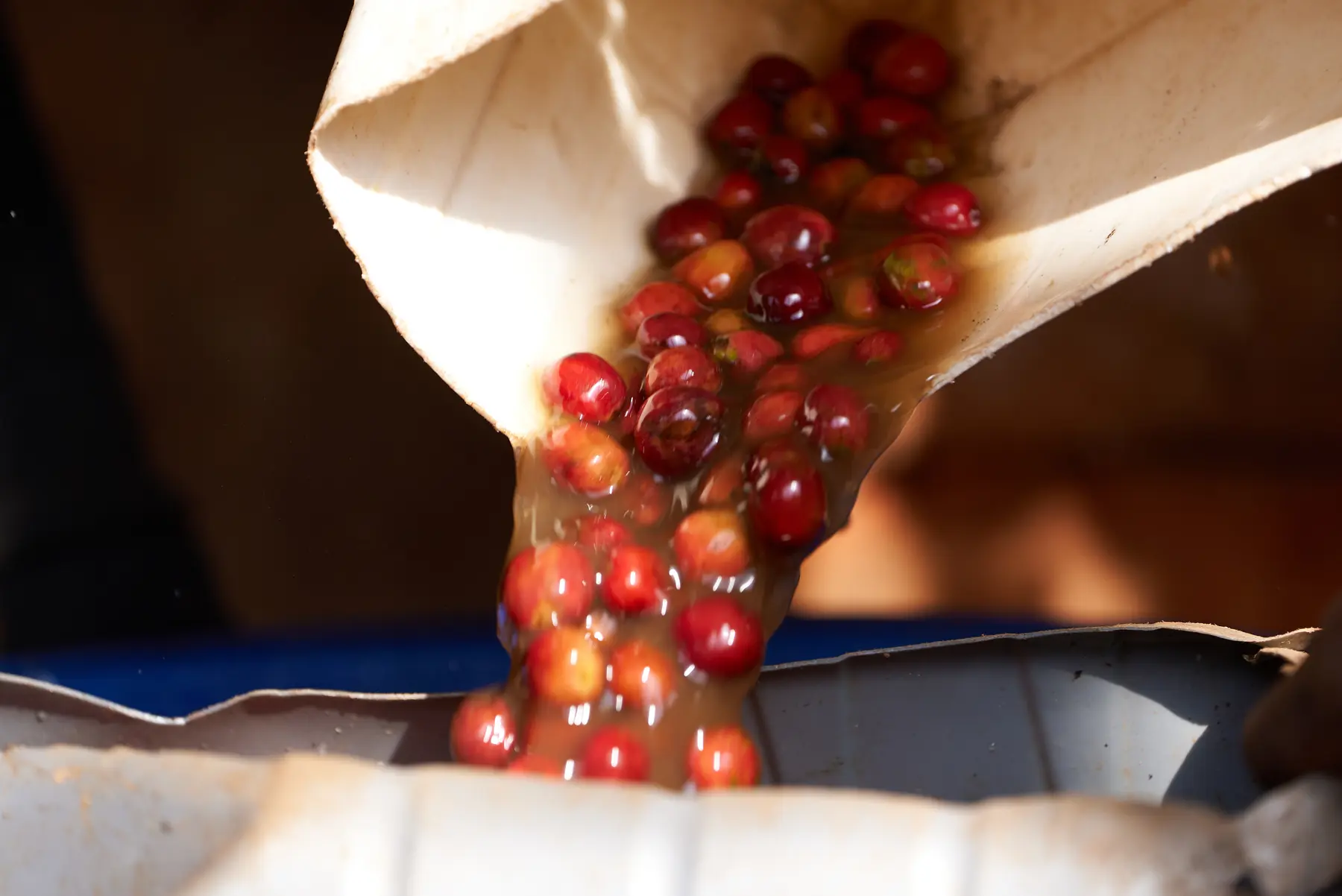
Quality in practice
Manual sorting, cherry handling, defect selection, and green-bean review make quality control visible at every stage.
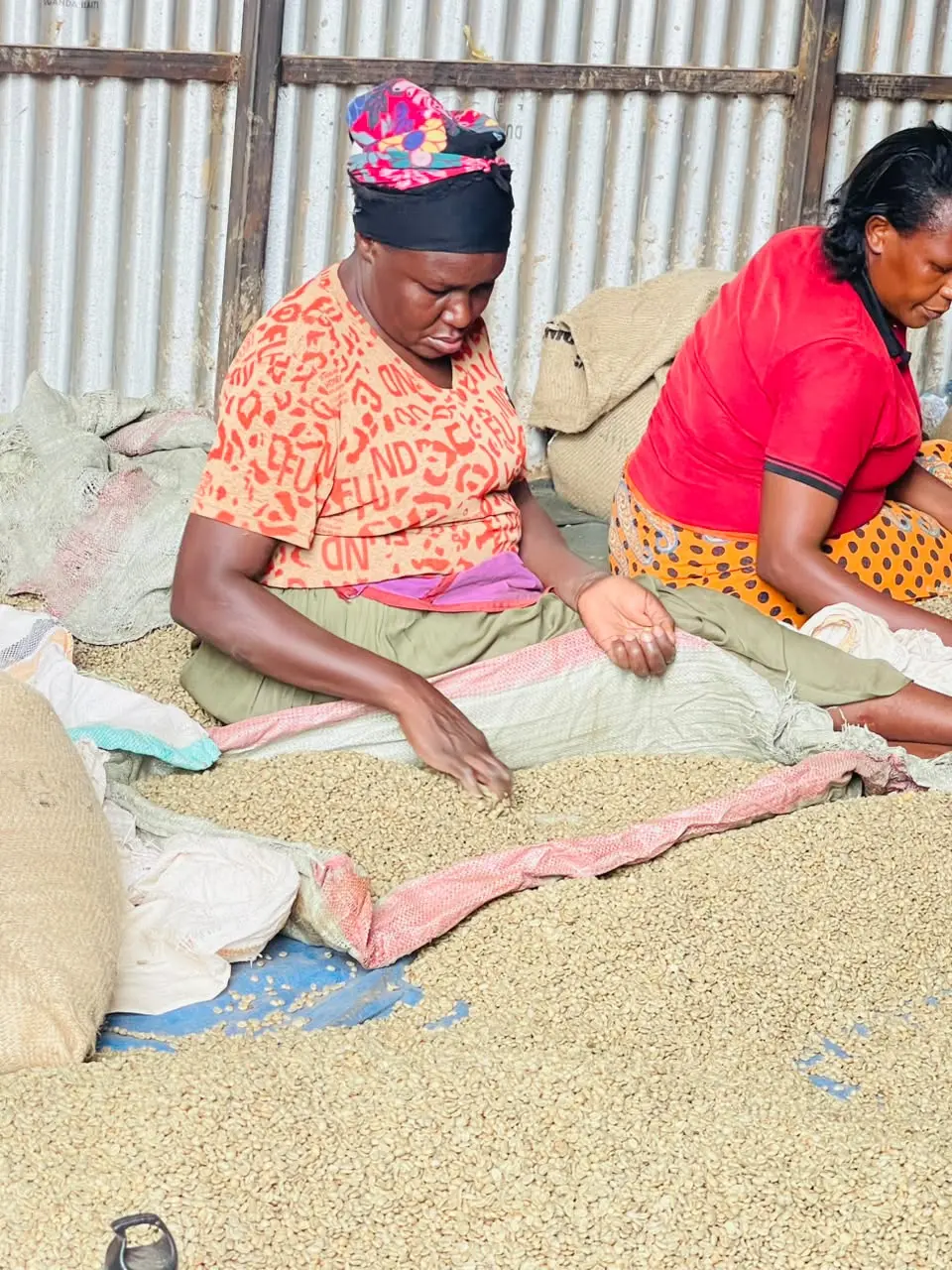
Women sort green coffee by hand to remove defects and protect lot quality.

A quality team member checks green coffee during the manual sorting process.
Collaborative hand sorting prepares coffee for the next stage of handling.
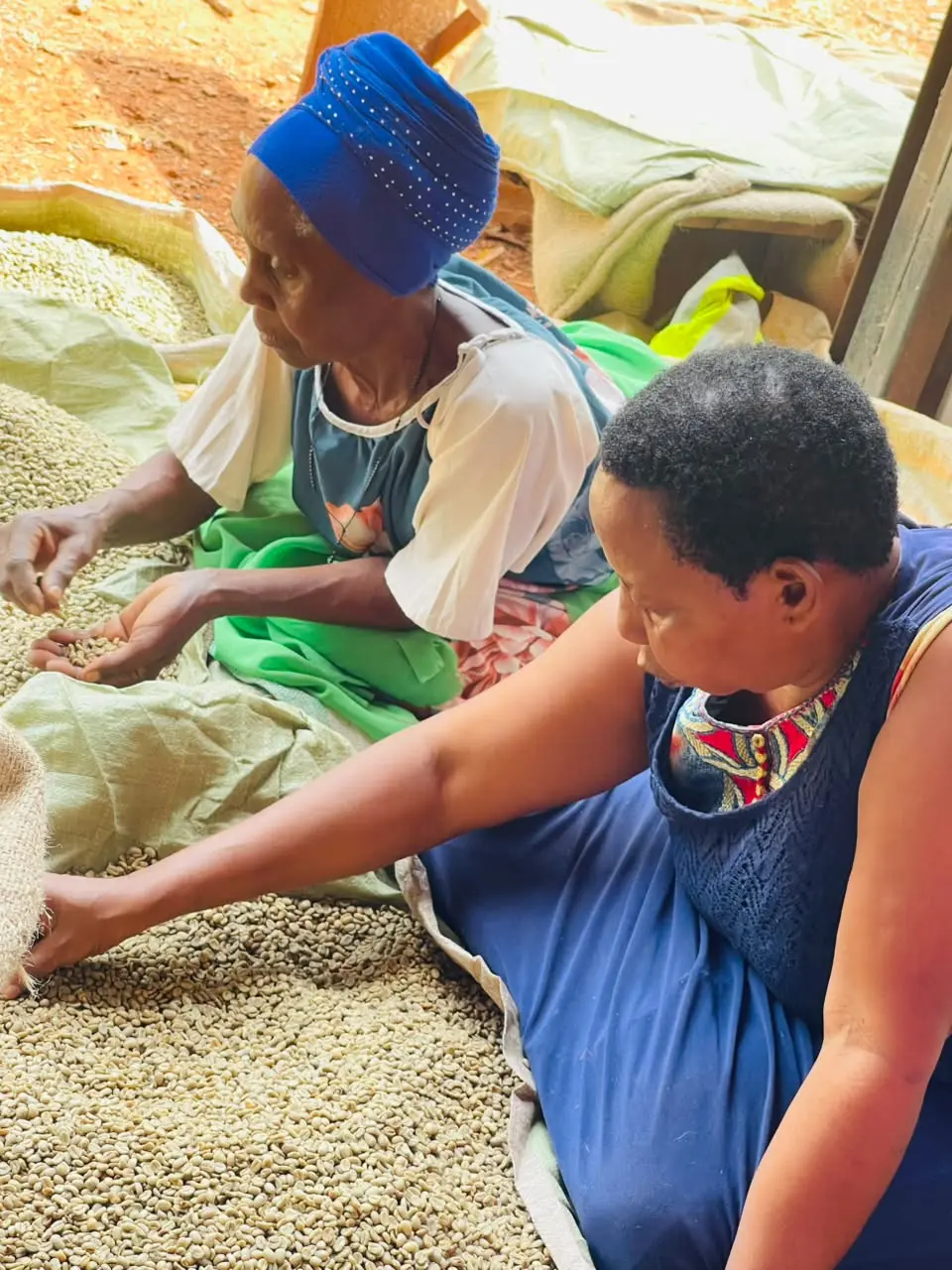
Coffee is reviewed closely so unsuitable beans can be separated from the lot.

Women contribute practical skill and attention throughout coffee preparation.
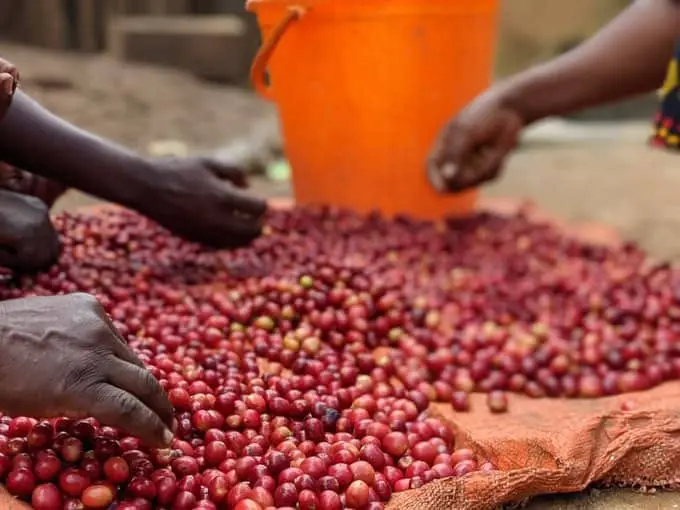
Ripe coffee cherries are gathered and handled promptly after harvest.
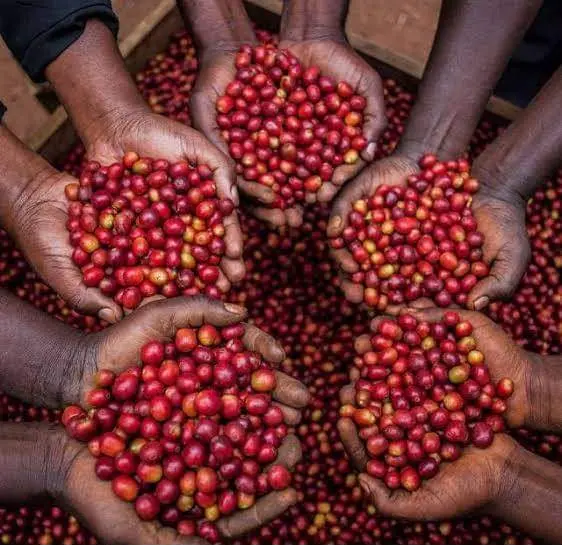
Hands full of ripe cherries show the care and collective effort behind each lot.
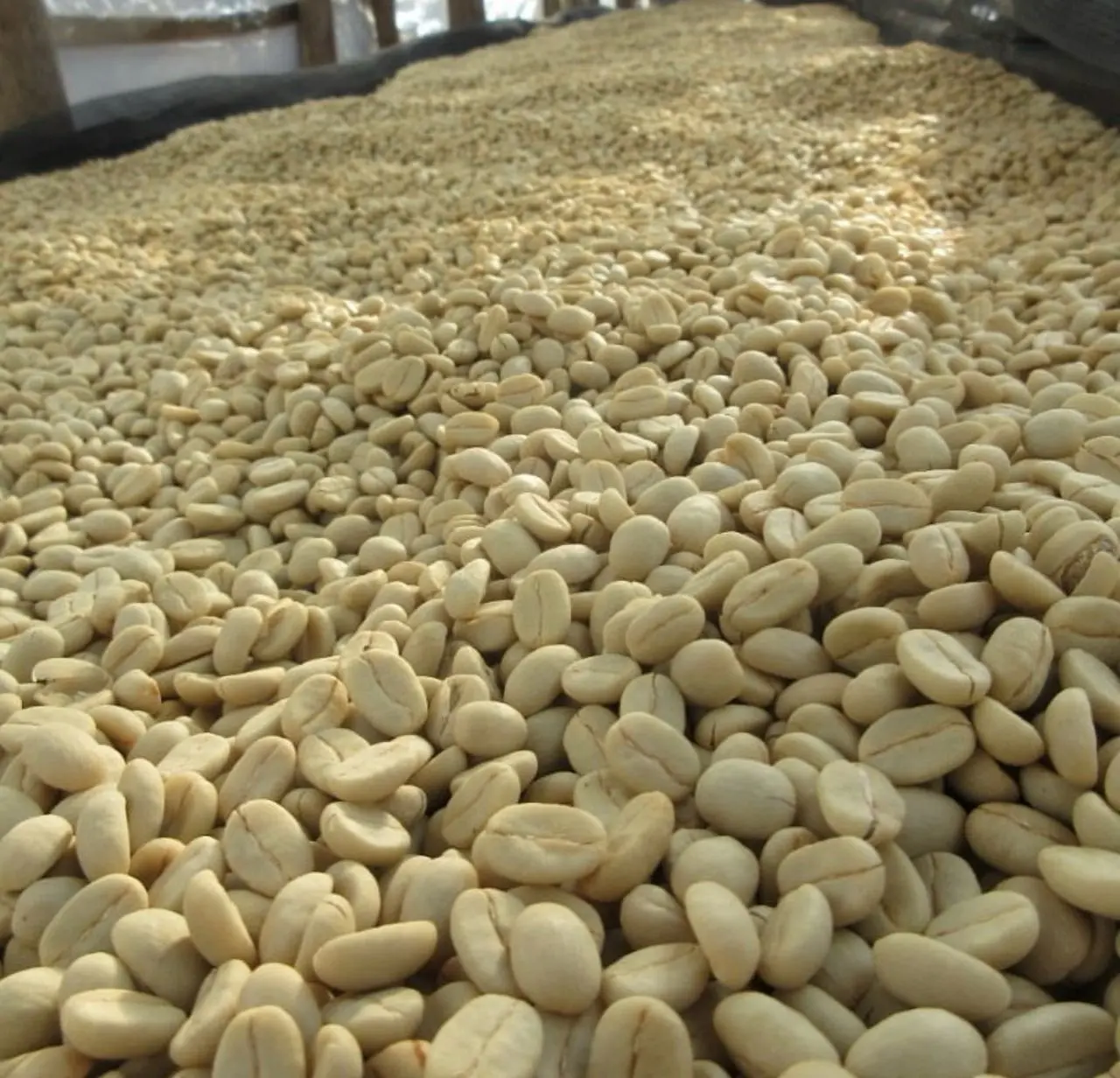
A close view of prepared green beans before roasting or export.
Buyer action
Tell the export desk your target grade, volume, destination, cup profile, and certification requirements.